
Introduction,
I still remember sitting in the Sephora parking lot, staring at myself through my phone camera and wondering, “Why do I look like this?”. I would just spent $24 on a coral lipstick two minutes before. Instead of looking pretty. I looked tired. Like really tired not just a little tired. I texted my friend. Who was still inside shopping, “I think I made a mistake.” That was the moment. I fell down the seasonal color analysis rabbit hole. Turns out, I’d been wearing the wrong colors for basically my entire adult life. Cool grays that I loved? They were washing me out. That mustard yellow sweater I never felt confident in? Also not my season.
The good news is you don’t need to pay $200 for a professional color consultation to figure this out. You can do a surprisingly accurate seasonal color analysis at home, with stuff you already own. I’ve tested this process on myself, my sister, and two very patient coworkers, and it works.
What Is Seasonal Color Analysis, Anyway?

Seasonal color analysis is basically a system. It sorts flattering colors into four “seasons” — Spring, Summer, Autumn, and Winter. It looks at your skin’s undertone, how deep or light your coloring is, and how much contrast you have between your skin, hair, and eyes.
This is not some new trend by the way. Idea has been around since 1980 but it blew up again recently because of TikTok or YouTube. Where creator break it down in a way that is actually easy to follow. Some people think it is pseudoscience and roll their eyes at the whole thing and honestly, I get it. But from my own experience, even the simple four-season version helps. You don’t need the fancy sixteen-season stuff. It just helps you shop smarter and stop buying clothes that make you look exhausted.
What You will Need Before You Start.
Before you get started grab a few things you’ll need. This is not complicated. But having the right tools makes the process way more accurate.
A mirror preferably a large one, in a room with natural light.
plain white sheet, t-shirt, or towel to neutralize your background.
A variety of colored fabrics or clothing — think scarves, shirts, or even paint swatches from the hardware store.
Your phone camera for taking comparison photos.
A hair tie or clip to pull your hair back completely.
I actually raided my closet and my mom’s scarf drawer for this. You want decent range: warm colors like orange red and golden yellow, cool colors like true blue and icy pink. plus some muted and some bright versions of each.
Step 1: Get Your Lighting and Setup Right.
This is the step most people skip. And honestly, it is the reason so many people mess up their results. Lighting changes everything. Like, everything.
Natural day light is a must. Stand near a window ideally around midday. Skip early morning or evening light. since it can look too warm too cool. Regular ceiling lights make your skin look dull and yellowish. And warm lamps? They will trick you into thinking you are warmer-toned than you actually are.
Pull your hair all the way back. Wipe off your makeup too. Then wrap that plain white cloth around your shoulders. This blocks other colors from bouncing onto your face and messing up your results.
Woman standing near a bright window doing a DIY color analysis with fabric drapes seasonal color analysis at home natural lighting setup
Step 2: Identify Your Undertone.
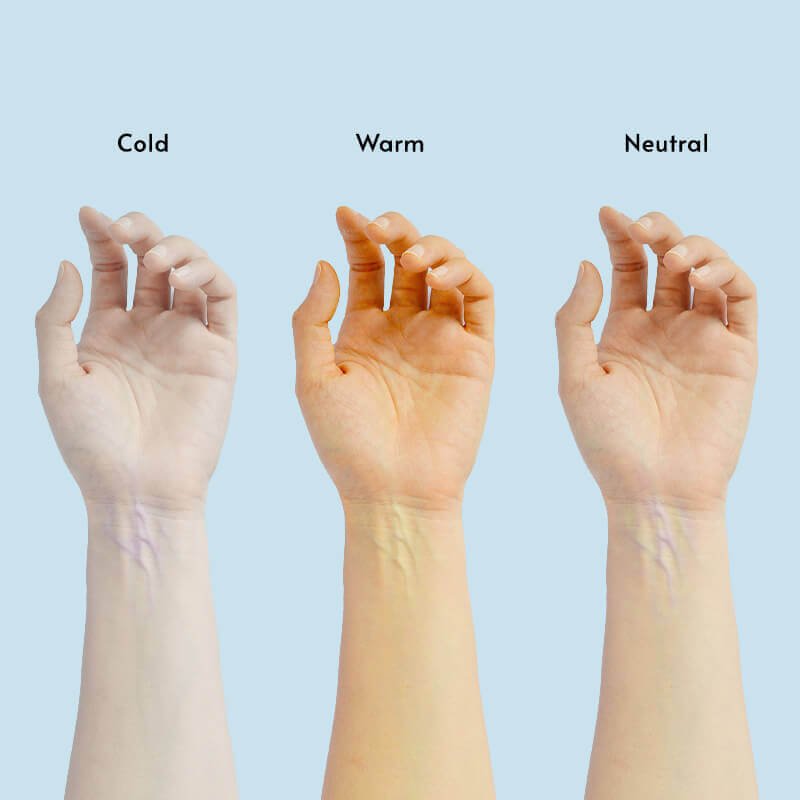
Your undertone is basically the starting point for figuring all of this out. It is subtle color your skin. Usually it fall into one or three categories: warm, cool, and neutral.
Here is a method that is worked for me every single time, no fails yet.
Green veins usually mean warm undertones. Blue or purple veins usually mean cool. If you genuinely can not tell. You might neutral.
The jewelry test hold gold jewelry up your face, then silver. Does gold make your skin look richer and healthier? You’re probably warm. Does silver make you look brighter and cleaner? Cool undertone is likely.
The white and cream test. Hold up a stark white fabric. Then an ivory cream fabric. If pure white make you glow make you look dull, you are cool. If the reverse, you are warm.
I will be honest, I thought I was cool-toned for years because I have pale skin. Turns out pale skin and undertone are two completely different things. My skin fair, but undertone is warm. That mixup alone explained years of bad blush choices.
Step 3: The Draping Method
This is where real fun start honestly. It is genuinely satisfying once you get going, like weird little experiment on yourself.
Sit in front of your mirror with your white cloth draped around your neck..Take one colored fabric at a time and hold it right up against your skin, close to your face, under your chin.
Watch for these reactions:
1. Does the color make your skin look brighter, clearer, more alive? That is a good sign.
2.Does it make shadows dark circles under your eyes more noticeable? Bad sign.
3.Does your face seem to disappear into the fabric, or does the fabric seem to overpower you? Also bad.
4.Do your eyes suddenly look brighter or more defined? That’s a great indicator.
Go back and forth between a warm-toned color and a cool-toned color of similar shade — say, a tomato red versus a blue-based red. One will almost always win clearly. Take photos as you go because in-the-moment judgment gets tricky after the tenth fabric.
Close-up comparison photos of a woman testing warm versus cool red fabric near her face : draping method for finding warm or cool undertone colors.
Step 4: Narrowing Down to Your Specific Season
Okay, once you have figured out warm versus cool, you need two more things. Your contrast level. And your color intensity meaning do you look better in soft, muted colors or bold, bright ones.
Contrast is just how different your hair skin and eyes are from each other. High contrast means big visible difference, like dark hair paired with really fair skin. Low contrast means everything blends together more softly.
Intensity is simpler. Do soft dusty colors look better on you, do bold, saturated ones make you glow more?
Put them together like this:
Warm + soft/muted = Autumn
Warm + clear/bright = Spring
Cool + soft/muted = Summer
Cool + clear/bright = Winter
I tested this on my sister once. She is warm-toned, but here is the thing, she looks amazing in both muted rust colors and bright marigold shades. So she basically sits right on the line between Spring and Autumn. This happens lot more than people think. Real people do not always fit into neat little box, and that is fine.
Common Mistake People Make.
I made basically every one of these. Before I got the hang of it. so learn from my errors:
Testing in bad lighting. This single mistake ruins more analyses than anything else on this list.
Wearing makeup during the test. Foundation and bronzer mask your natural undertone completely.
Only testing bright saturated colors. You need muted options too. You will never figure out your intensity preference.
Ignoring your gut reaction. Your first instinct when a color “clicks” is usually right. Do not overthink it into confusion.
Comparing yourself to a friend’s results. Just because your best friend is Winter does not mean anything about what you are.
Quick Reference: The Four Seasons Explained.

Here is simple breakdown to keep handy while you are testing.
Spring — Warm, bright, and fresh. Think coral, warm peach, golden yellow, grass green, and turquoise. Springs usually have this natural glow to them. like they just walked in from somewhere sunny. usually have this natural glow going on. But dark heavy color like black deep burgundy? Those tend to wash them out.
Summer ,Cool, soft, and little muted. Think dusty rose, lavender, powder blue, soft berry tone. Summers often get over whelmed by anything too bright too warm, like orange.
Autumn , Warm, rich, earthy. Think rust, mustard, terracotta, warm brown. Autumns tend to struggle with icy pastels. Those shades can make them look pale and kind of flat honestly.
Winter — Cool, deep, and high contrast. Think true red emerald, royal blue, pure white or black. Winters usually shine in bold saturated colors. Muted earth tones, though, can wash them out fast.
What to Do Once You Know Your Palette
Knowing your season does not mean, you have to toss your whole wardrobe tomorrow. Let is be real, nobody has that kind of budget or time.
Start small. Next time you buy a top, a lipstick, even a scarf, just keep your season in mind. I began by swapping my makeup first since that is the cheapest and quickest win, and honestly compliments started rolling in within a week.
You can also use your palette to guide bigger purchases like coats, blazers, or glasses frames, since those sit closest to your face. Save the “wrong” season colors for things farther from your face, like pants shoes. Where the effect matters less.
Color swatches organized by season laid out on a table with a mirror nearby: four seasonal color palettes spring summer autumn winter chart.
A Final, Honest Note.
Look, this is not a perfect science. You might land somewhere between two seasons, and honestly, that is fine. What matters most is that you start paying attention to which colors. Make you feel good, and which ones quietly drain your confidence without you even realizing it.
I still buy colors outside my season sometimes. just because I love them. That is allowed too, no rules broken. This is a tool not a rulebook. Use to feel more confident not to box yourself in.
Question Answers.
Can I do seasonal color analysis with makeup on?
Honestly, it is best to take your makeup off first, especially foundation, bronzer, blush. Those product can hide your real undertone and mess up your results. A clean face just gives you the clearest picture. If you really can not remove everything. At least wipe off your cheeks and skip anything with a warm, bronzy tint.
Does hair color affect which season I am?
Your natural hair color does play into your overall contrast, so yeah, it matters a bit. But your skin’s. undertone still matters more. If you’ve dyed your hair, try to judge based on your undertone and eye color instead, since hair dye can throw things off and confuse the whole process.
How accurate is a DIY color analysis compared to a professional one?
A solid DIY test done with good lighting and a decent range of fabrics, can actually get pretty close to what a professional would tell you. Professionals go deeper, like sixteen or even thirty-six subcategories deep, which takes a trained eye. But for everyday shopping and styling, the at-home version works just fine.
Can my season change over time?
Your actual undertone usually stays the same your whole life. But things like hair color tan. Even hormone changes can shift how colors look on you temporarily. It is a good idea to redo this test every couple of years, or anytime you change your hair color a lot, just to double check your colors still work.