Introduction,
I still remember standing in a department store fitting room with three pairs of “the same size” pants around my ankles. Wondering why they all fit so differently.
One pair fit perfectly. One was floods. One dragged on the ground and collected dirt within an hour of wearing them outside. Same waist size. Same brand even, on two of them. That’s the day I finally sat down and learned what inseam actually means — and honestly, it changed how I shop forever.
If you have ever bought pants online and had them arrive looking like you borrowed them from much taller (or shorter) sibling this guide is for you. I’m going to walk you through exactly how to measure your inseam correctly. why it matters more than most people realize and how to avoid the common mistakes that lead to returns, refunds, and general wardrobe frustration.
What Is Inseam Measurement, Really?
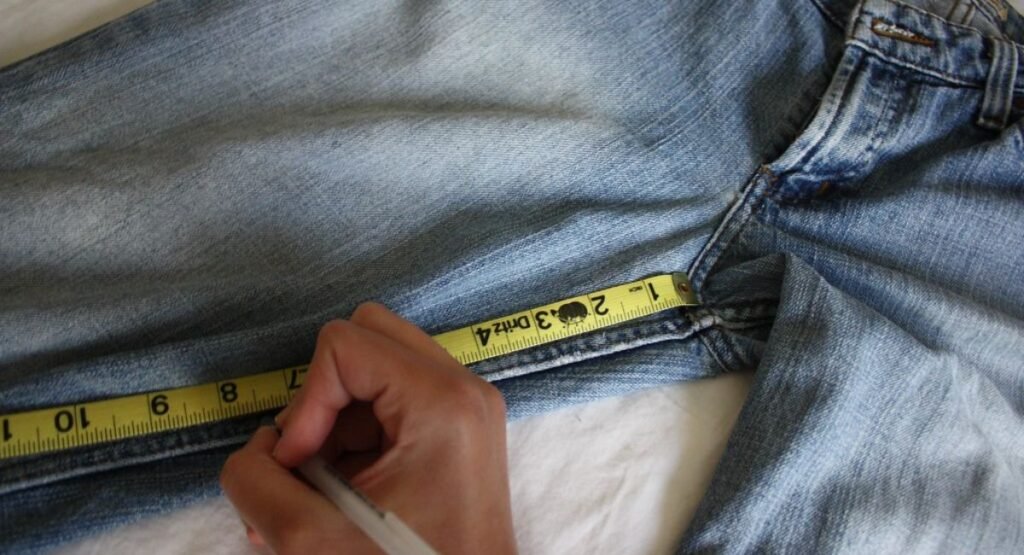
Inseam is simply the length of inner. Seam of a pair of pants from crotch down to bottom hem. It is not your full body height, and it is not your outseam. Which measures from the waistband to the ankle on the outside.
A lot of people confuse these terms and I get why — clothing size charts do not always explain it clearly. Based on my experience helping friends shop for jeans, this single mix-up causes more returns than any other sizing issue.
Inseam is usually listed in inches in the US (like 30″, 32″, 34″) and matters just as much as waist size, if not more for how pants actually look and feel on your body.
Why Getting Your Inseam Right Actually Matters
I used to think inseam was a minor detail. Turns out, it is the difference between pants that look intentional and pants that look like a mistake.
Here is what the wrong inseam actually does to your outfit:
Too long: fabric bunches at ankle drags on the ground frays at the hem, and honestly just looks sloppy
Too short: show too much sock or ankle. Can look like you outgrew your own pant, and throws off your whole silhouette.
Just right: creates a clean line, makes legs look proportionate, and honestly just makes you look more put-together without trying.
After testing this myself across dozens of pairs. I noticed something interesting — even expensive well-made pants look cheap if the inseam is off. Meanwhile a basic pair of pants with the correct length can look genuinely tailored.
There is also a comfort factor. Pants that are too long get caught under your heel and rip. I’ve ruined more than one hem that way, and it’s an annoying avoidable expense.
How to Measure Your Inseam at Home (Step by Step)
What you will need:
A flexible tape measure.
A wall or firm surface stand against
Friend to help (optional, but way easier)
A book (yes, really)
Step by step process:
Stand up straight against a wall barefoot or in the socks/shoes you would normally wear with pants.
Place a book between your legs pulled up snugly against your body like it is mimicking the crotch seam of pants.
Have someone measure from top edge of the book straight down to the floor or to. Wherever you want the pant hem to hit.
Round to nearest half inch.
Repeat the measurement twice to make sure you did not get a wonky number first time.
I know the book trick sounds a little ridiculous. But it genuinely gives a more accurate number than eyeballing it or guessing based on your height. Your crotch height varies more between individuals than most people expect even at the same overall height.
Quick tip: measure at the end of the day if possible. Your body settles slightly throughout the day and this gives more realistic everyday number.
Measuring an Existing Pair of Pants Instead
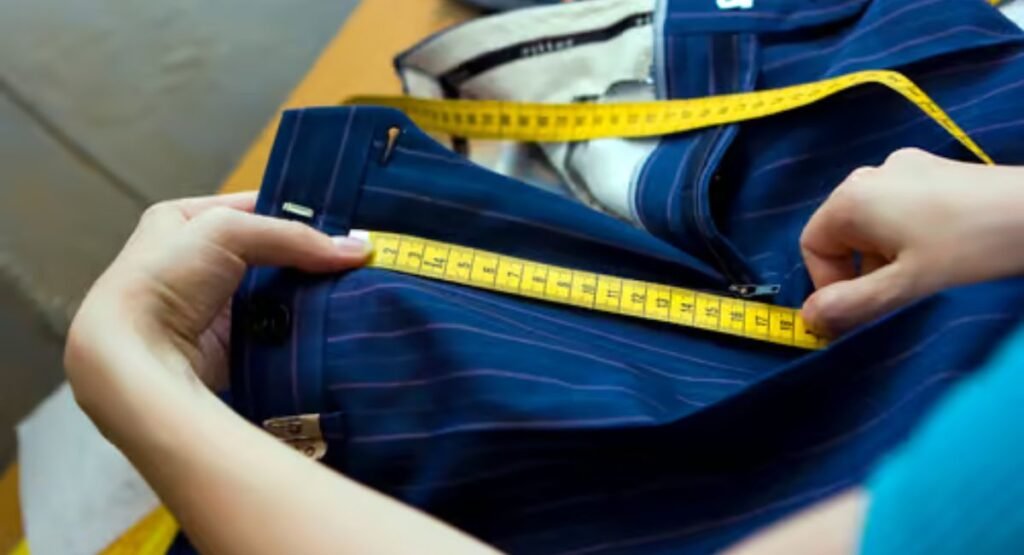
If you have got a pair of pants that already fits you perfectly. You honestly do not need to do the wall-and-book thing at all. Just measure the pants directly.
Lay the pants flat on a table or floor making sure they are not twisted or folded weirdly. Then:
Find inner seam the one that runs from the crotch to the ankle not outer side seam.
Measure from the crotch point straight down to bottom of the hem.
Keep the tape measure straight not stretched too tight or too loose.
This method is honestly my personal favorite because it removes all the guesswork. I do this every time I find a pair I love, so I have a reliable reference number for future shopping instead of relying on memory or vague “medium” sizing.
Common Mistakes People Make With Inseam
I have made a few of these myself so no judgment here — but let’s talk about what tends to go wrong.
Confusing inseam with outseam. These are two different measurements and mixing them up throws everything off.
Measuring over thick jeans instead of normal-fit clothing. This adds bulk and distorts number.
Not accounting for shoe height. If you always wear boots or heels with certain pants factor that into your ideal length.
Assuming all brands size the same. A 32″ inseam from one brand can differ noticeably from another. Always check specific size chart.
Skipping the double-check. Measuring once and trusting it blindly can lead to slightly off number. Measure twice genuinely.
One mistake I made early on: I measured over baggy sweatpants and ended up buying jean that were nearly two inches too long. Lesson learned the annoying way.
Inseam by Height: A Rough General Guide
This is not an exact science since body proportions vary a lot, but here is a general starting point people often reference:
5’0″ to 5’4″: typically around 28″–30″ inseam
5’5″ to 5’8″: typically around 30″–32″ inseam
5’9″ to 6’0″: typically around 32″–34″ inseam
6’1″ and taller: typically around 34″–36″+ inseam
These are starting points not guarantees. I have met plenty of people who break this pattern entirely because of longer torsos or shorter legs relative to their height. Always treat your actual measurement as gold standard over generic height chart.
Tailoring and Alteration: When Measuring Is not Enough.
Sometimes even well measured inseam does not translate perfectly once pants are on your body. Especially with certain cuts like bootcut wide-leg or cropped styles.
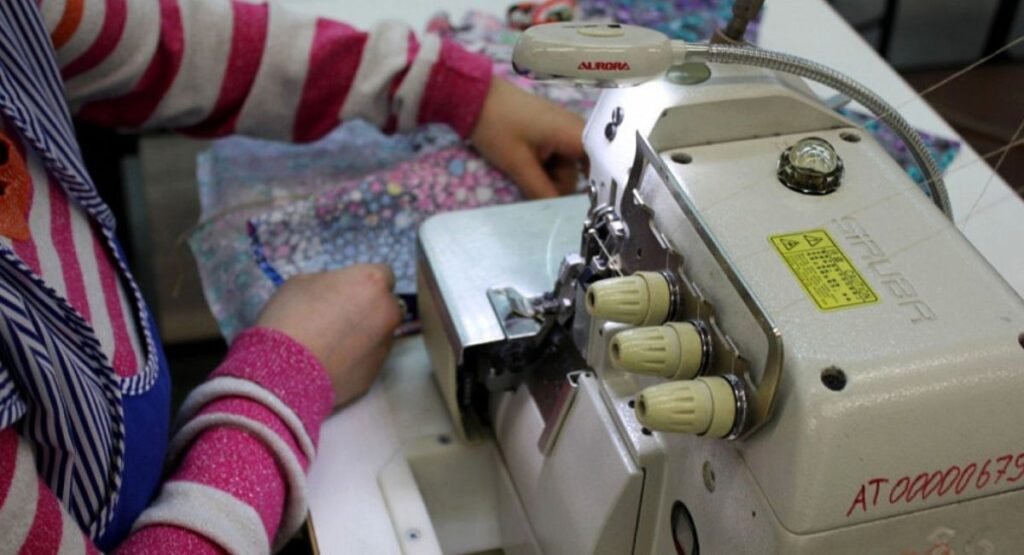
This is where a good tailor becomes genuinely worth the money. Hemming pants is one of the cheapest and most impactful alterations you can get done. In my experience spending a small amount on hemming has saved multiple pairs of pants that otherwise would have sat unused in my closet.
A few practical note on tailoring:
Bring the shoe you plan to wear with pant to your tailoring appointment.
Ask for pants to be pinned at your preferred length before cutting anything
If you are unsure go slightly longer first — you can always shorten more, but you can not add fabric back
Tips for Buying Pants Online Without the Guesswork.
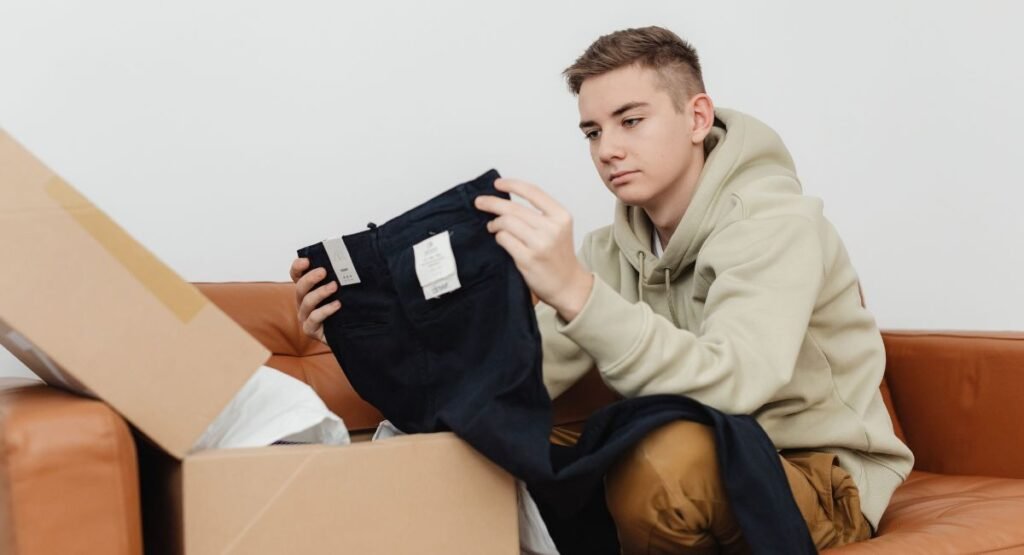
Online shopping make inseam even trickier. Since you can not try before you buy. Few thing that have genuinely help me:
1. Always check brand’s specific size chart instead of assuming standard sizing.
2.Look for customer photo or review mentioning fit and length.
3.If available filter search result by inseam length directly.
4.Keep a personal reference sheet of your measurement for quick access while shopping.
5.When between two length size up slightly since hemming is easier than adding length.
Following this approach has cut down my return rate dramatically. It is small effort upfront that saves a lot of shipping-back hassle later.
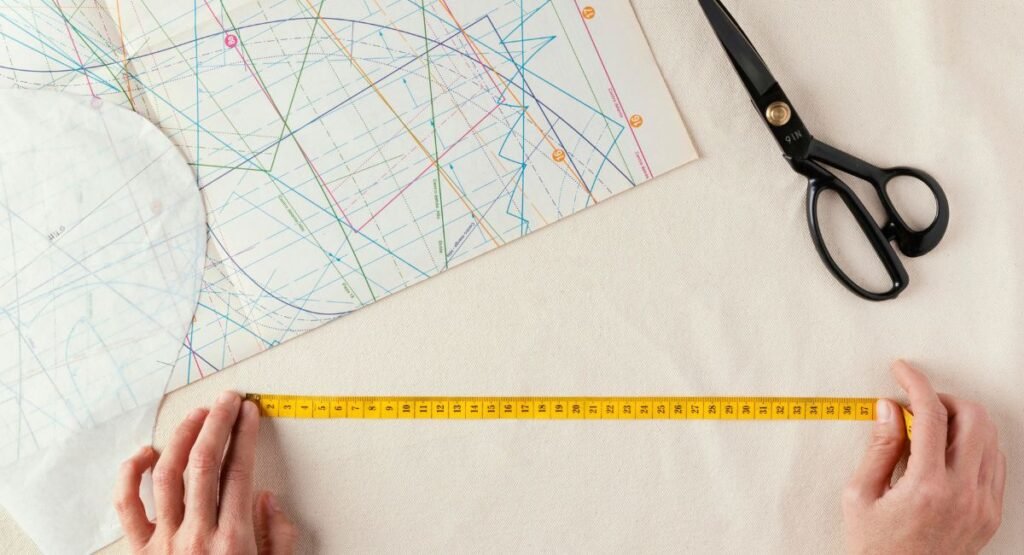
A person measuring their inseam using tape measure against a wall: “how to measure inseam at home step by step guide”
A pair of jeans laid flat with tape measure along the inner seam: “measuring inseam length on jeans flat lay”
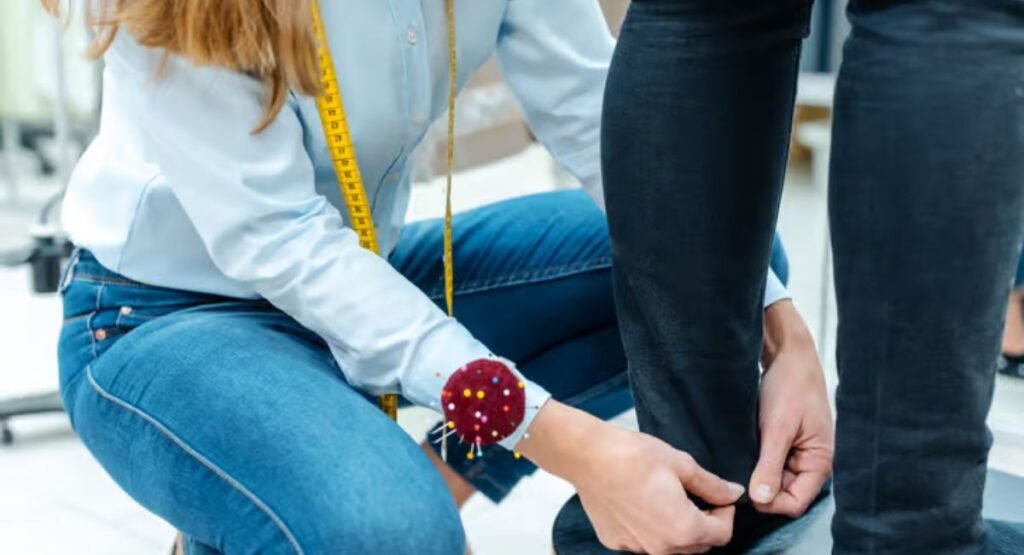
A tailor pinning the hem of a pair of trousers: “tailor adjusting pant inseam length for perfect fit”
Final Thoughts.
Getting your inseam right is not complicated once you know the actual steps. But it make a genuinely bigger difference than people expect. It is the kind of small detail that quietly upgrade your entire wardrobe without spending more money on clothe.
Take ten minutes grab a tape measure and figure out your real number. Future you standing in a fitting room somewhere will thank you for it.
Question Answers.
1. Okay so what’s actually the difference between inseam and outseam?
Honestly this confuses almost everyone at first, so don’t feel bad. Inseam is the inner seam — from the crotch down to the hem. Outseam runs the outside of the leg, from your waistband all the way down. Outseam number is always bigger, just because it’s measuring more real estate (it includes that waist-to-crotch bit too). Most brands stick to inseam on their size charts since it’s the number that actually tells you something useful about leg length.
2. Can two people who are the same height have totally different inseams?
Yep, all the time, and it used to genuinely surprise me. I’ve got a friend who’s my exact height, but she’s got noticeably longer legs and a shorter torso than me, so her inseam runs a good inch and a half longer. Height is really just a starting guess at best. If you actually want pants that fit right, measure yourself — don’t just trust a chart that assumes everyone’s built the same.
3. Should I measure with shoes on, or barefoot?
Depends what you’re planning to wear the pants with, honestly. Barefoot’s fine for your everyday sneakers-and-jeans situation. But if you know you’ll be wearing boots or heels with a specific pair, throw those shoes on before you measure — it’ll give you a number that actually matches how you’ll wear them, instead of guessing and adjusting later.
4. Why do two pairs of pants with the “same” inseam fit so differently?
This one drove me a little crazy for a while, not gonna lie. Turns out sizing just isn’t standardized across brands — a “32 inch” from one company can run shorter or longer than another company’s 32. Cut matters too. My advice: don’t blindly trust the number alone. Check that specific brand’s size chart, and if you can, skim a few reviews mentioning fit — people are usually pretty vocal about it.
5. Should I size up or down if I’m stuck between two lengths?
Go longer, basically every time. A tailor can hem pants down in like ten minutes for cheap. But if they’re too short? There’s no fixing that — you can’t magically add fabric back on. I learned this one the hard way with a pair I really liked that ended up permanently “ankle pants” against my will.